In this blog:
During an Atlanta traffic stop, a vehicle search may rest on consent, probable cause, a warrant, or another recognized legal basis. Drivers can unintentionally widen permission through vague replies, physical gestures, access to containers, and unnecessary explanations. The exact words, actions, and sequence of events may influence how a court evaluates the search.
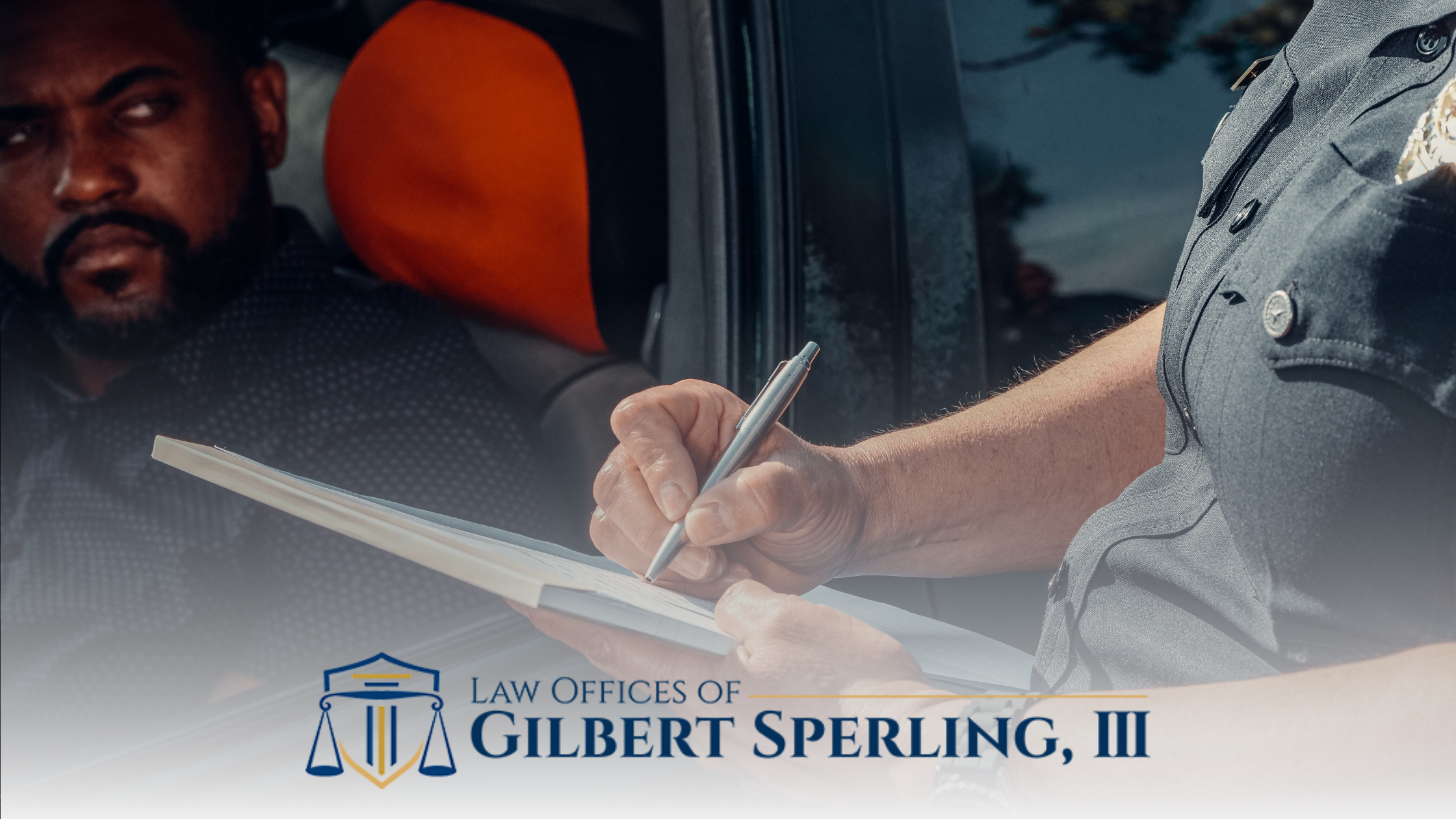
Blue lights in the mirror can unsettle anyone, especially a driver who has never faced police scrutiny. A routine stop may move from license and registration checks to requests about the vehicle, its contents, and recent activities. What happens during those few minutes may influence an arrest, the evidence prosecutors seek to present, and the options available later.
Knowing the basic legal concepts helps drivers recognize what officers are asking and how their own responses may widen the encounter.
A Traffic Stop Doesn’t Automatically Authorize a Search
An officer may stop a vehicle after observing a traffic violation or developing reasonable suspicion of unlawful activity such as driving under the influence. That stop permits tasks tied to its purpose, such as checking identification, registration, insurance, and outstanding warrants. Officers may also direct drivers and passengers to exit the vehicle.
A traffic citation alone doesn’t grant automatic access to the entire vehicle. A search requires a separate legal basis, such as voluntary consent, probable cause, a warrant, or another recognized exception.
Consent Can Open Areas That Were Previously Private
Consent is permission. An officer may ask, “May I search the car?” A driver’s answer can provide lawful access even when probable cause was absent. Keep in mind that you’re well within your rights to remain silent and request the presence of a criminal defense attorney before answering questions, regardless of any alleged wrongdoing.
Courts examine whether permission was voluntary and what it covered. A broad “go ahead” may be read as approval to inspect areas where the sought item could be located. Opening the trunk, handing over keys, stepping aside, or nodding may also become part of the consent analysis. Georgia courts review the full encounter, including whether documents had been given back and whether a reasonable person could leave.
Probable Cause Comes From Specific Facts
Probable cause refers to facts that would support a reasonable belief that the vehicle contains evidence or prohibited items. Observations, visible objects, odors, statements, and driving behavior may contribute to that assessment.
When probable cause supports a vehicle search, officers may inspect areas and containers capable of holding the item they’re seeking. A search for a large object has a different physical scope from a search for something small.
Small Actions Can Expand the Encounter
People under stress may volunteer extra details, change an answer, reach toward a console, identify an item inside the car, or agree to “take a quick look.” Each response adds information and may broaden permission or support further investigation.
Arguing, interfering physically, or making sudden movements can create added legal and safety concerns. The encounter’s wording and sequence may later become central evidence.
Protect the Record After an Atlanta Vehicle Search
A search can produce consequences far beyond the roadside encounter. Video, officer reports, consent language, and the stated basis for probable cause should be discussed with an attorney to protect your rights and your future.
The Law Offices of Gilbert Sperling III helps people in Atlanta with traffic-stop searches and related first-offense allegations. Call 404-999-1373 to discuss what occurred and learn what the next legal steps may involve.
Atlanta Vehicle Search FAQ
- Can an officer ask to search my car without probable cause?
Yes. An officer may request consent. Permission can provide an independent legal basis for the search.
- Does refusing consent automatically prevent a search?
No. Officers may proceed when they have probable cause, a warrant, or another recognized exception. A refusal remains relevant when reviewing the stated basis.
- Can consent cover bags or closed containers?
It can. The wording of the request, the response, the item sought, and any limits stated by the driver may define the scope.